Land Founders: How Speed Replaced Skill as the Deciding Factor in British Land
Why the small UK land firms losing share weren't the bad ones, and what speed has to do with it. The market hasn't been rewarding skill alone for years.
6 min
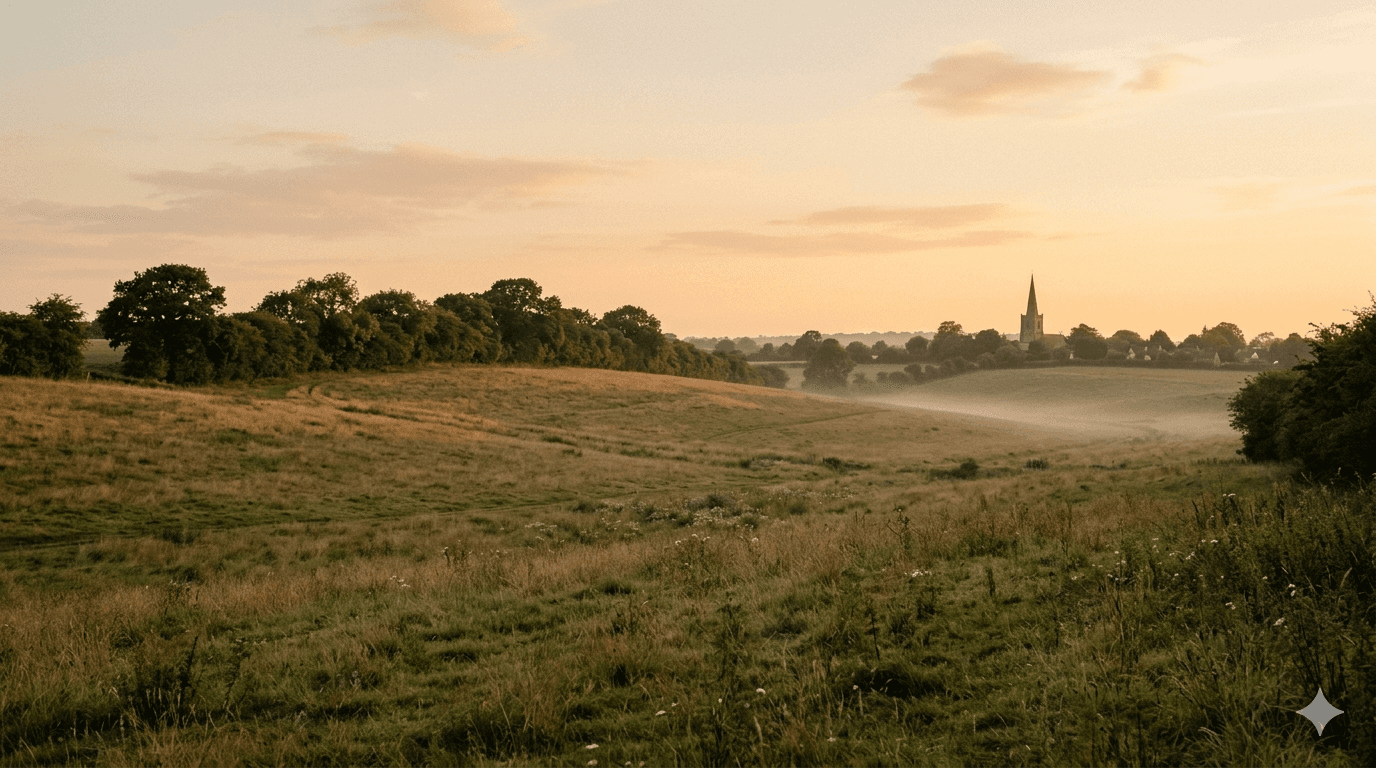
The firms that fell behind were often the best ones in the room. They were just the last to reply.
You know this already, even if you've never said it out loud. Somewhere in your memory there's a site you lost to a team less experienced than yours, with thinner relationships and a landowner you'd worked patiently for two years before they showed up. They moved first. You moved a week later, and the site was gone, and you spent a while wondering what you'd done wrong.
You hadn't done anything wrong. That's the hard part. The best land team in the county can lose every site that matters by being second-fastest to the table. The firms vanishing from this industry are vanishing on pace, which is something you can fix, because pace lives in your week.
The market already chose, and it chose fast
This isn't a feeling. It's the clearest trend in British housebuilding.
A generation ago, small and medium builders were the backbone of the industry. The Federation of Master Builders and the Home Builders Federation both put their share of new homes at roughly 40% in the late 1980s. Today it sits closer to a tenth. The count of genuinely small builders has fallen from around 12,500 thirty years ago to near 2,500, by United Trust Bank's tracking. The work concentrated into fewer, bigger hands.
Read those numbers carefully. The small firms were the specialists, the teams who took on the characterful, fiddly, locally-rooted sites the volume builders wouldn't touch. They were, in a real sense, the better operators in their stretch of the market. They lost share anyway. Savills explained why in its 2025 read of the land market: smaller players are stepping back because they can't bid as fast or absorb planning delays the way the big players can. The PLCs are filling their pipelines, pushing applications through, and taking the grey-belt sites before the ink on the policy has dried. It's the same land, with the same landowners. The losing margin was always pace.
Why founders blame the wrong thing
When the slowness starts to bite, two instincts fire. Hire someone. Or lean on the team harder.
You've tried both. Hiring is dear, slow to earn its keep, and brings a management load you don't have spare hours for, and the sums stop adding up long before the pipeline does. Leaning harder on a lean team buys you a few weeks and a real risk of losing someone. In a team of five, losing one good person is losing the business for a quarter.
The real culprit is the week itself. The judgement your team brings to a site is sound. What's broken is the week around the judgement, eaten by the grind between the moments of real work. The planning system that more than nine in ten small builders told the HBF is a major barrier, where a single consent can drag past a year and pull in consultant after consultant. The constant watching of policy and local politics that, as one academic study of land promoters put it, loads risk, cost and delay onto everyone who sources sites for a living. Your team is doing the real job in whatever hours are left after the admin has taken its cut.
Where the slowness actually lives
"Slow" is too vague to fix, so picture the moments it happens. You'll recognise every one.
A landowner you wrote to two months ago suddenly comes back to the table. Somewhere a faster firm has already pulled up the whole history of the site, with every prior approach, the site notes and where planning sits ready to hand. They've replied before lunch. Your team spends the afternoon hunting through inboxes and someone's memory, and by the time you've reconstructed it the warmth has gone out of the moment.
A site lands for a first look. Your best person spends hours gathering the pieces (location, constraints, who owns what, what's sold nearby) before a single minute goes on the actual thinking. The faster firm spends those hours the other way round.
A planning change drops that reshapes a live site. In your shop it sits unopened until it's too late to matter. In theirs, someone gets a nudge the day it lands.
The pipeline. Yours is forever a step behind the truth, rebuilt by hand the night before every board meeting. Theirs is simply current.
Look hard at that list. Every loss in it is admin standing between good people and the work that wins sites. The fast firms stopped making the land people they already had do the slow work. That's the whole difference.
You used to have to become big to move fast. You don't anymore.
For the whole history of this trade, there was one way to match a bigger team's pace, and it was to turn into a bigger team. More heads and more cost, against the weight that crushed the small firm over thirty years. That trap was closed.
It isn't anymore.
Most of the industry hasn't noticed yet, which is precisely why the door is open. The ones moving first are pulling ahead, the way early movers always have in this business. The firms gaining ground are running something other than a generic chatbot. Generic tools can draft a letter; they don't know your pipeline, your landowners, your templates, or the history that wins the next site.
So what do the fast firms have that you don't? Something built for the way a land team actually works, trained on your own sites and documents, sitting inside the workflow instead of in a separate tab. The thing that surfaces a cold landowner's whole history in seconds, has the appraisal half-built before anyone sits down, catches the planning change the day it lands, and keeps the pipeline true without a soul rebuilding it. It has a name. It's called Harold. The name matters less than what it gives back, which is the one thing a small team can never hire enough of: time.
The firm should outlast the people carrying it in their heads
There's a deeper reason to move now, and it counts most when it's your name above the door.
The knowledge that wins your sites lives in one or two heads. Which landowner went cold and why, which site carries the ransom strip, what the planners said back in 2019. That's a single point of failure dressed in the clothes of experience. If your best land person left on Friday, you already know how much of the pipeline would walk out with them.
The generation taking the reins across this industry is easier with these tools than the one that built it, and that handover is already underway. The founder who turns hard-won site knowledge into something the firm owns, rather than something a few people carry, is the one who leaves behind a business that runs without him. The decision is a legacy one, dressed as a technology one.
What to do about it
You didn't build your firm by being the worst team in the room. Don't lose it by being the slowest.
Harold is built for land teams that are small and sharp, outgunned on headcount, and tired of losing the race to admin. It tracks every approach, preps every appraisal, watches the planning, and makes sure you're never the slow one on a live site. You lose sites to bigger teams, not better ones. This is how a smaller team stops losing on pace.
The fastest way to understand it is to watch it work on your own ground. Book a 30-minute walkthrough and bring one live opportunity. A live site, with the landowner history and pipeline context attached. Nothing to set up, no tech knowledge needed. We'll show you, on your own deal, what it looks like to stop being the last to reply.
The site you lost two years ago isn't coming back. The next one doesn't have to.

Article written by